Welcome to the next in my series of Healthy High Fives – where on the last Friday of every month, I showcase a guest interview with a health and wellbeing expert answering five questions around a subject that matters to them (and me!).
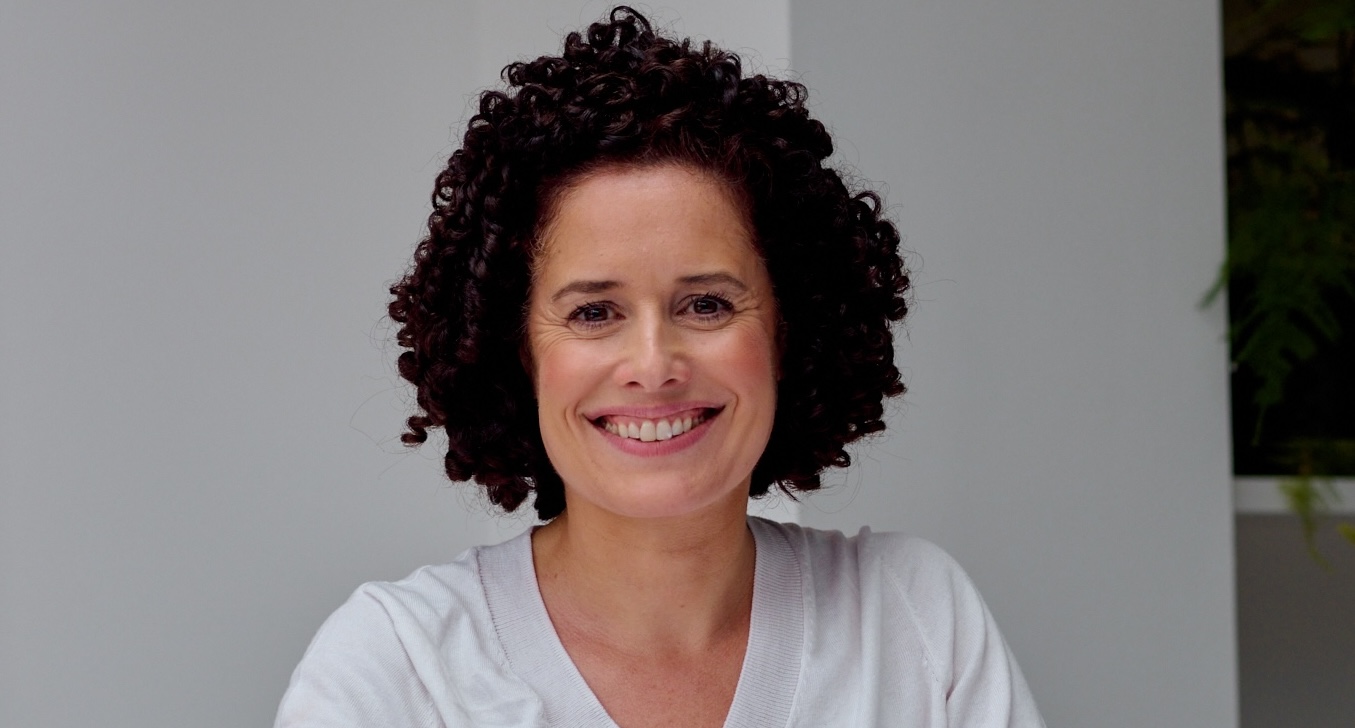
And for this next edition, I’m delighted to welcome Sarah Berry. Sarah is a Professor in the Department of Nutritional Sciences at King’s College London and Chief Scientist at ZOE. She is the lead nutritional scientist on the PREDICT programme. Her research focuses on precision nutrition, postprandial metabolism, food, and fat structure.
Sarah joined me on the POINT3 Wellbeing Walk The Talk podcast talking about menopause a while back, and with nutrition, longevity and vitality such a focus for me on Not The Mayo Clinic, I couldn’t think of a better person to feature next.
There’s so much noise and confusion around nutrition – particularly on social media. Protein is everywhere, fibre is having a moment, menopause has become a marketing opportunity, and there always seems to be another snack, supplement or hack promising to help us live longer, feel better and stay younger.
So I wanted to go back to the science and ask what actually matters. In this conversation, Professor Sarah Berry cuts through some of the hype and talks about the things that really can make a difference – from the simple power of a diverse, plant-rich diet and why fibre deserves far more attention, to what we really need from protein as we age, how nutrition changes (and doesn’t change) through perimenopause, why breakfast and snacks might be two of the easiest places to start, and the simple swaps that can improve both how we feel today and our health in the years ahead. There’s a lot in here – and, reassuringly, it’s never too late to start making small changes that will make a big difference.
So, let’s get into it… Let me give a massive Healthy High Five to Sarah:
Q1 – Longevity and vitality get talked about constantly, but they can mean different things to different people. From your research, what does science actually tell us matters most about nutrition, if we want to live not just longer, but better – staying strong, sharp and energetic as we age?
So absolutely, we use the terms health span and lifespan.
Health span means healthy years free of disease or ill health and lifespan is basically how long till you die. So, slightly different things. I think one thing I would say is that nutrition plays a huge role in both health span and lifespan.
We know that there’s some really powerful research showing that changing from a typical UK diet to an optimal healthy diet can actually add at any age healthy years to your life. So, if you switch at the age of about 40 from a UK average diet to an optimal diet you can add up to about eight to ten years to your health span. And if you switch even at the age of 70 you can still add about six healthy years to your life.
So I think that that’s really encouraging along with the message of it’s never too late, whether you’re 40, whether you’re 60, whether you’re 70, you will still improve your health span if you start eating a healthy diet.
What matters most about nutrition if we want to live better? To live better, live longer, live healthier, live happier, it’s the same healthy eating principles that underpins everything, whether you’re pre-menopause or post-menopause. There is no silver bullet and there is no magic nutrient or diet or food for a particular point in your life.
So the healthy eating principles that I believe in are following a plant-rich diet – it doesn’t have to be plant-based – with plenty of diversity. So you’re getting plenty of different fibres; plenty of different bioactives – chemicals like polyphenols that we know have far-reaching health effects from brain health to heart health; getting a diversity of healthy proteins – whether it’s from plant-based sources such as beans and whole grains or whether it’s from healthy animal-based sources such as fish, white fish or chicken, for example. Also getting plenty of whole grains into your diet. We know that a lack of whole grains is a key risk factor for many different diseases.
In the UK we do not consume enough whole grains and there’s some interesting research showing that if you just change from the UK typical intake of whole grains by changing if you consume white bread, white rice, white pasta to whole grain sources you can increase your whole grain intake to the point that it is associated with a 10% reduction in all-cause mortality and many other diseases.
So I would focus on a plant-rich diet, a diverse plant-rich diet, adding whole grains, adding healthy proteins into your diet and I would also focus on adding plenty of healthy fat into your diet, extra virgin olive oil, oily fish, and seed oils. These kinds of healthy oils, such as rapeseed oil and extra virgin olive oil are heart-healthy oils but the extra virgin olive oil also has a lot of polyphenols, so bioactives that are great for our health as well.
Oily fish has omega-3 which we know is really good for our brain health and our heart health and I would emphasise the diversity again. Getting a diversity of different oils, reducing your intake of saturated fat from unfermented dairy. So reducing your intake of butter, having protein-rich dairy fermented foods, so kefir, greek yoghurt etc etc.
There is no silver bullet. I know people are doing NAD (Nicotinamide Adenine Dinucleotide) infusions, this, this and this, but there just isn’t enough evidence to show that any of that works. In terms of staying strong, it’s not just about nutrition, it’s about physical activity, and weights exercise as you age.
In terms of staying sharp, we know that your long-term diet, all the factors I’ve mentioned play a role but also your short-term dietary intake is really important. We know from our own research that if you consume high carbohydrate-rich meals, what tends to happen is you have a short sharp peak in glucose followed by a crash about two to four hours after. That crash in or dip in circulating blood glucose is associated with hunger, loss of energy but also a loss of alertness, so you’re less sharp. And so what I really recommend to people to stay sharp is to make sure when you’re having carbohydrate-rich foods, you layer on healthy proteins and healthy fats so that you prevent that dip two to four hours after which will keep your energy high as well as keep your sharpness or alertness on top form.
So, this means for breakfast, don’t go for the low-fat spread on your toast, go for whole grain toast and have lashings of healthy polyunsaturated fat-rich spreads or nut butter or cheese etc, so that you’re preventing that dip.
Q2 – Protein has had a huge focus in the fitness world for a long time and now it seems to be ubiquitous – protein bars, shakes, bakes, targets, protein everything. From your research, is that focus justified, or is it becoming a bit of an obsession that’s crowding out other things (like fibre – see next question) that matter just as much? Where do you think people are getting it right, and where are they overdoing it?
Okay, so for the vast majority of us, we get enough protein and despite the myths or despite what we’re sold as a population, generally we do not need to worry about our protein intake. Our protein needs do go up slightly as we age, and when we become peri or postmenopausal just because of the efficiency with which we use our protein and store our protein.
But unless we are an elite athlete, bodybuilder, generally we do not need to worry about our protein intake. On average, we’re actually getting more than what the recommended amount is. The biggest worry with the protein maxing craze is that, exactly what you’ve said, is that it crowds out other things.
So the biggest problem that I believe we have in the UK is that we’re consuming not enough fibre. (See next question on fibre!)
So only three percent of us actually even meet the basic guideline for 30 grams of fibre a day. The average intake is around 17 grams.
We know that fibre is so important, not just for our gut microbiome but also for our intestinal health, for modulating our hunger signals, our digestion and so much more. And so by becoming hyper-focused on protein, then the worry is that we consume less fibre and we consume less bioactives that are often in fibre-rich foods.
So I think the people that are getting it right are those that focus on getting a diversity of minimally processed plant-rich foods in their diet. Diversity is key, particularly if you’re not eating meat.
So meat – animal sources of protein are what we call complete protein. They have all the essential amino acids, the ones that we cannot make. Plants do have all the essential amino acids but they have them in varying ratios. So (if you eat a plant-based diet only) to ensure that you’re getting the right amount of the different amino acids, which are the building blocks of protein, you need to make sure that you are getting a diversity of plant-based protein sources. That means getting whole grains, nuts, seeds, beans, pulses. If you’re including those into your diet, you’ll be getting enough protein and the right types of amino acids. Where it can become a slight concern is if people who are not eating meat are consuming only one type of those plant protein sources.
People who are getting it right are therefore people who are having that diversity of both plants and, if they choose to, animal-based sources of protein. Where they’re getting it wrong is the belief that red meat, because it’s a great source of protein, is therefore healthy for you. In moderation it’s okay but in excess absolutely not.
Where people are having protein powders in place of meals, absolutely not. That means they are having a meal that has protein and zero fibre and all the other nutrients etc etc.
Q3 – Fibre feels like the quiet cousin of protein right now – everyone’s talking about protein, almost no one’s talking about fibre (in my circles!) and yet most people in the UK don’t get anywhere near the recommended amount. Why does fibre deserve so much more attention than it’s getting, and what’s it actually doing for us at a gut and metabolic level?
So this year alone there’s been about five fibre books that have been published in the UK by nutrition scientists or nutritionists and the term fibre maxing I think is really having its moment on social media. It’s the first – it’s the only food or diet craze fad – that actually I can get behind.
It’s so important given that only three percent of us get enough fibre and given that we now understand fibre isn’t just about roughage for the gut. Fibre modulates the rate at which we digest food. So fibre in food slows down the rate of digestion of that food, therefore can change those post-meal glucose responses to be more balanced.
Fibre also plays an incredibly important structural role in food. The majority of fibre that we consume actually comes from the cell walls in plants and so it has a really important role in terms of modulating where and how we digest food. So when you have food with fibre intact, such as a whole nut, what happens is the intact fibre from the cell walls is only very slowly digested as it passes through the gastrointestinal tract.
So you have more of the food reaching the lower part of the GI tract where there’s more fullness receptors (like GLP receptors) that feedback to say that you are full. So by having fibre in the diet it modulates how fast you empty the food into the gut but also where you absorb the food from in the gut. And by having more fibre you tend to absorb it lower down the gut. Fibre also provides wonderful food for your gut microbiome.
Your bugs feed on different types of fibres to produce all sorts of chemicals like short-chain fatty acids which we know have a really important role in maintaining the health of your gut but more importantly in sending feedback signals to various places throughout your body. And therefore increased fibre intake is associated with lower risk of nearly all chronic diseases mediated through this microbiome effect.
Q4 – I’m fast approaching 50 and perimenopausal myself – how do nutritional needs shift if at all for women going through this stage of life? What would you want everyone experiencing perimenopause to know that they may not know?
Yes, I’m 49 as well. Okay, I actually don’t think they shift that much. I think that yes, we need to be mindful to get enough protein but I think that given that the majority of us get easily enough protein I wouldn’t worry too much about that.
You know there’s a lot of what we call menowashing out there, stick menopause in front of it and you can charge 10 times as much. I think a lot of that is, I don’t know what you’d call it, but it’s not based on any scientific evidence.
So how do they shift? Well, we know what food is good for you when you’re 20, 30, 40, 50, 60, 70, 80, 90, whatever. It is the same throughout all ages.
We should all be consuming more fibre, we should all be consuming more whole grains, we should all be consuming heart-healthy oils, we should all be reducing our intake of unhealthy heavily processed foods.
Yes, when you’re perimenopausal, your hunger signals change so you feel often more hungry from the food that would have kept you full before. Yes, we know that your sleep changes, sleep impacts your hunger signals to make you feel more hungry, it impacts the reward centres of your brain making you seek out other foods etc.
So the biggest problem is what menopause is changing in terms of your hunger, your food preferences etc rather than a different metabolic state. Having said that, our own research shows that peri and postmenopausal women experience on average a higher post-meal blood glucose response to a carbohydrate load compared to people who are premenopausal. What that would suggest is that for peri and postmenopausal women I think that it’s really important that when they’re having high carbohydrate rich foods they do make sure they are layering on healthy oils, so healthy fats and healthy protein sources.
Again it’s not different to the advice I gave earlier but it’s just making sure to emphasise that that’s probably a little bit more important. The evidence around supplements is very very weak. There is some evidence to show that soy isoflavones work. Soy isoflavones are phytoestrogens, they bind to the oestrogen receptors but their effectiveness differs from one person to the other.
Some people can metabolise these soy isoflavones into very active forms that bind very strongly to the oestrogen receptors and can experience a big reduction in symptoms by supplementing them. Other women don’t metabolise them in the same way and this is dependent on your gut microbiome composition but it’s difficult to know obviously then if you’re a good or bad metaboliser. So what works for one person doesn’t necessarily work for everyone. So, be more mindful of protein and be mindful to layer up your carbs otherwise all the other health eating principles stand true.
Q5 – If someone reading this today wanted to make just one change to their diet that would make the biggest difference to their long-term health and vitality, what would you tell them – and is there a piece of research, a book, or something ZOE has found that you think more people should know about?
I think just one change should be what is the simplest change for you? I’m a great believer in the only thing that will stick is the simplest thing. I believe there’s two different approaches you can take. A meal-based approach or you can take a swap-based approach.
Let’s take the swap-based approach first. If you’re a snacker – I’m a real advocate that changing your snacks can significantly improve your health. We did a trial some years ago at King’s College London where we recruited 100 people. Half were randomly allocated to consume typical UK snacks and the other were randomly allocated to consume almond nuts. We asked them to consume 20% of their energy from either the UK snacks or the almond snacks and this is on the basis that 25% of our calories in the UK on average comes from snacks, that’s a huge proportion.
We told them to keep everything else in their diet the same. Those people who consumed the almond snacks had significant improvements in blood vessel function after six weeks. They had significant improvements in blood lipids compared to the control group. Those consuming UK snacks to the extent that in as little as six weeks this equated to a predicted 30% reduction in cardiovascular disease risk. That’s huge and that’s just from changing your snacks.
So my top tip is, if you are a snacker and I’m not suggesting you start snacking. If you are a snacker my top tip is to change the types of snacks that you are eating. It will improve your energy in the here and now, it will improve your alertness in the here and now and it will improve your long-term health.
We do have a new Zoe snack bar that I think is the healthiest snack product out there because I helped design it but to give some snack ideas there’s the obvious fruit, nuts, seeds, popcorn but also think about a snack as an eating event between meals. It doesn’t have to be a particular product, it needs to be something that you enjoy and works for you. Leftover food if you’re working at home from the night before you know, whole grain crackers with cheese, all of these are great snacks. What I would avoid is snacks that are just carbohydrates so if you’re having fruit it might not keep you very full so with your fruit try and have a chunk of cheese or some nuts or something.
Okay – so the other way to make changes is following a meal-based approach. I think you could start by focusing on your breakfast. I think it’s one of the most important meals (if you do consume breakfast) to get right and that’s because it sets up your metabolic responses for the rest of the day. Our research shows that if you have a high carbohydrate breakfast that causes you to have a blood sugar dip, you go on to consume 320 calories more over that day. You feel less energetic, less alert and have a lower mood compared to if you have a breakfast where you don’t have that dip. So how do you prevent that? Well don’t have carbohydrates on their own for breakfast make sure you’re having a breakfast that is mixed with healthy proteins, healthy fats and fibre, so that could be greek yoghurt with nuts and seeds. It could be whole grain toast with some cheese and fruit, it could be oats with nut butter and so forth.
So just making sure you’re getting that mixture and I think if you can at your breakfast get that diversity of not just nutrients but also plants in your diet, you’re setting yourself up for steady blood glucose response to feel full of energy and you’re also starting your day already having hit some of those incredible fibre rich plant points.
That’s the meal first approach – breakfast or snacks if you want to take a swap based approach. Then think about what it is that you consume regularly. What staple do you have that will then give you the biggest impact? There’s no point just shaving around the edges because changing our diet is hard work. So for example if you consume white bread change to whole grain bread. If you consume a lot of red meat consider changing the red meat for chicken or ideally changing it for reducing the portion size and adding in other sources of protein like pulses and beans. So think about what you could swap in your diet that would therefore improve the healthfulness of them. The obvious is any white grains, change for whole grains, any heavily processed foods try and get minimally processed equivalents and so forth.
We have a Zoe cookbook that I think has wonderful recipes. We also have loads of podcasts including a snacking podcast where I give details to the best snacks that you can have.
//
Wow, thank you so much Sarah for such a refreshingly simple take on the power of food for longevity and vitality. What I’m taking away from my conversation with Sarah:
Well, there’s certainly a lot to digest here 😉 (quite literally), but five things really stand out for me.
- There is no magic food, nutrient or menopause diet. Sarah’s message is refreshingly simple – the fundamentals of healthy eating don’t suddenly change when we hit 40, 50 or menopause. Eat more plants, aim for variety, include whole grains, healthy fats and good sources of protein, and reduce heavily processed foods. It’s not sexy or rocket science as Sarah says – but the evidence is pretty compelling.
- We’ve become a little too obsessed with protein. Protein matters, particularly as we age, but Sarah’s concern is that the current protein craze can crowd out the things we’re not getting enough of – most notably fibre.
- Fibre is doing far more than keeping us regular. It helps regulate how quickly we digest food, influences our blood glucose response, helps us feel fuller and feeds the good bugs living in our gut. And I loved Sarah’s description of fibre maxing as the “only food or diet fad” she can get behind. Me too!
- Perimenopause doesn’t require a whole new approach. This was particularly reassuring to hear. Sarah’s view is that most of the principles of healthy eating remain the same throughout our lives. What can change during perimenopause is hunger, sleep and the way we respond to carbohydrate-rich meals – so paying attention to what we eat with our carbs becomes more important. Think protein, healthy fats and fibre rather than cutting carbohydrates out altogether.
- Small changes can have a surprisingly big impact. Sarah’s advice isn’t to overhaul your entire diet. Instead, identify the thing you eat most regularly and add some variety. White bread for wholegrain. A highly processed snack for nuts, fruit or seeds. Or simply rethink breakfast so you’re combining protein, healthy fats and fibre rather than eating carbohydrates on their own.
And perhaps the biggest takeaway of all is this – the best change isn’t necessarily the biggest change – it’s the one you can actually stick with.
Which feels like a pretty good philosophy for health and longevity in general. Thanks so much Sarah!
Be curious, be kind.

